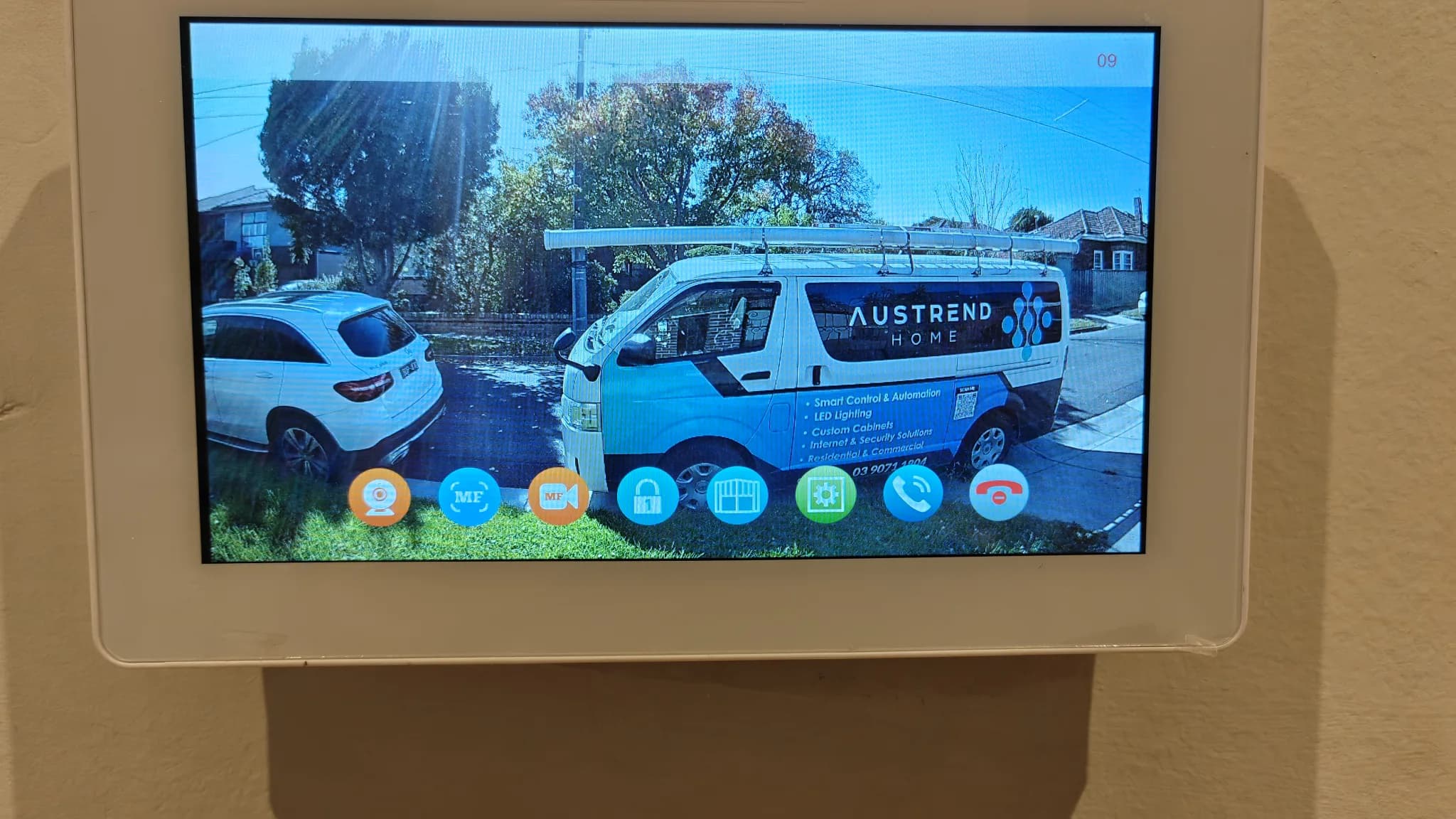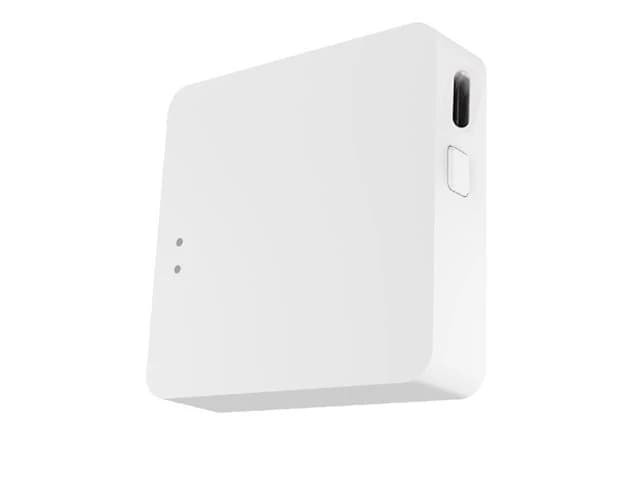

Wired vs IP Video Intercoms: Which System Suits Your Property?
Compare traditional wired and IP video intercoms for image quality, cabling, remote answering, gate release, reliability and future expansion.
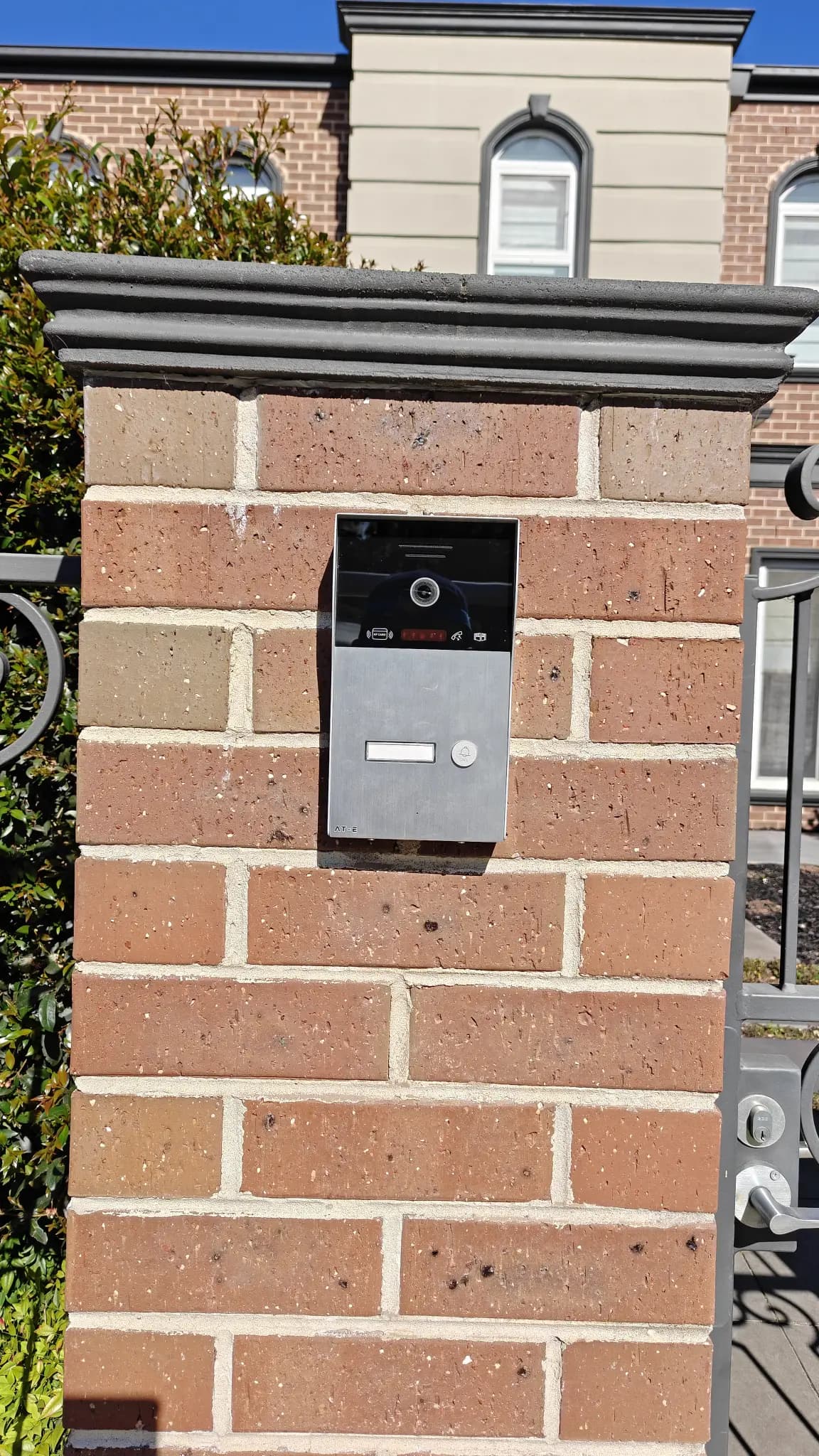
A video intercom must do more than show a visitor on a screen. It needs to provide clear two-way communication, control the correct door or gate and remain convenient for the people who use the property. Traditional wired and IP systems can both perform well, but their cabling, features and expansion paths are different.
How the two approaches differ
A traditional wired intercom commonly uses manufacturer-specific cabling and equipment to connect the entrance station, indoor monitors and release hardware. An IP intercom communicates over an Ethernet network and may use Power over Ethernet for data and power on one cable. Some products combine both approaches, so the actual design should follow the selected manufacturer rather than a label alone.
Consider the existing cabling first
In a completed home, usable intercom or network cabling can strongly influence the practical choice. Reusing suitable cable may reduce wall work, but old cable should be tested rather than assumed to be reliable. During a renovation or new build, structured cabling to gates, doors, indoor screens and the network cabinet provides more flexibility.
Decide where calls need to be answered
A simple property may need one indoor monitor. A larger home, office or multi-level site may require several answering points. IP systems often make it easier to add network-connected screens or authorised mobile answering, but remote features may depend on an app, account or cloud service. Confirm how calls behave if the internet is unavailable.
Plan door and gate release properly
The intercom is only one part of the entry system. Electric strikes, magnetic locks, gate motors, exit buttons and door-position sensors need compatible control and safe operation. Define whether the user unlocks one pedestrian gate, a driveway gate or several doors. Access should release only the intended entry point and should not compromise emergency egress.
Compare video and audio in the real location
Resolution matters, but lens angle, backlighting, night illumination, microphone position and wind noise can have greater impact. A gate station facing the afternoon sun may need strong wide dynamic range. Test whether visitors of different heights are visible and whether conversation remains clear beside traffic or a moving gate.
Understand network responsibilities
An IP intercom depends on a well-designed local network. The switch needs adequate PoE capacity, cabling should be certified and remote administration must be protected. Place intercom devices on an appropriate network segment where supported, use strong unique passwords and update firmware according to vendor guidance. Avoid exposing device interfaces directly to the public internet.
Think about future expansion
Consider whether the property may later add another gate, camera integration, access credentials, reception answering or building automation. IP platforms can offer flexible integration, while a dedicated wired platform may provide a simple and predictable experience. Confirm licensing, maximum devices and compatibility before selecting equipment.
Allow for outages and manual entry
Ask how the system behaves during a power, network or internet failure. Critical components may need backup power, and authorised users need a documented manual entry method. Remote phone answering should be treated as an additional convenience, not the only way to admit a visitor.
Test the complete visitor journey
Test the process from arrival to entry: call button visibility, ringing, image, conversation, identity confirmation, release and automatic gate or door closure. Repeat the test at night and from every answering device. A technically connected system is not complete until the entire journey is reliable and understandable.
Conclusion
The best intercom is the one that fits the property’s cabling, entry hardware, answering needs and network capability. Austrend can assess existing infrastructure and design a coordinated video intercom, gate control and access solution for Melbourne homes and businesses. Contact our team before choosing equipment or starting cabling work.
Frequently asked questions
Does an IP intercom stop working if the internet fails?
Local calling and release may continue on a correctly designed system, while remote app functions may be unavailable. It depends on the product and architecture.
Can an old intercom cable be reused?
Sometimes, but its type, condition, route and compatibility must be checked before equipment is selected.
Is a video doorbell the same as a video intercom?
Not always. A full intercom is generally designed around dependable two-way communication and controlled entry, while product capabilities vary widely.
Tags
- Video Intercoms
- Intercom System Selection