
How to Improve Apartment Security Without Changing Shared Building Systems
Practical apartment-security improvements for Melbourne renters and owners, including removable alarms, cameras, door devices, accounts and owners corporation approval.
Apartment residents depend partly on systems they do not control: lobby doors, garage gates, lifts, shared intercoms, lighting and common-area cameras. Yet there are still useful improvements that can be made inside the lot or rental property without replacing the building’s infrastructure. The key is to separate private and common property, choose reversible devices where appropriate, protect neighbours’ privacy and obtain permission before work affects shared areas, doors, wiring or building appearance.
Separate private-lot security from shared-building security
Begin by mapping the journey from street to apartment door. Shared entrance faults, tailgating, broken garage gates and dark common corridors should be reported to the owners corporation or building manager. Inside the apartment, residents may be able to improve alerting, account security and the protection of their own entrance and belongings. Do not try to solve a common-property problem by altering shared hardware without approval.
Check what you are allowed to change
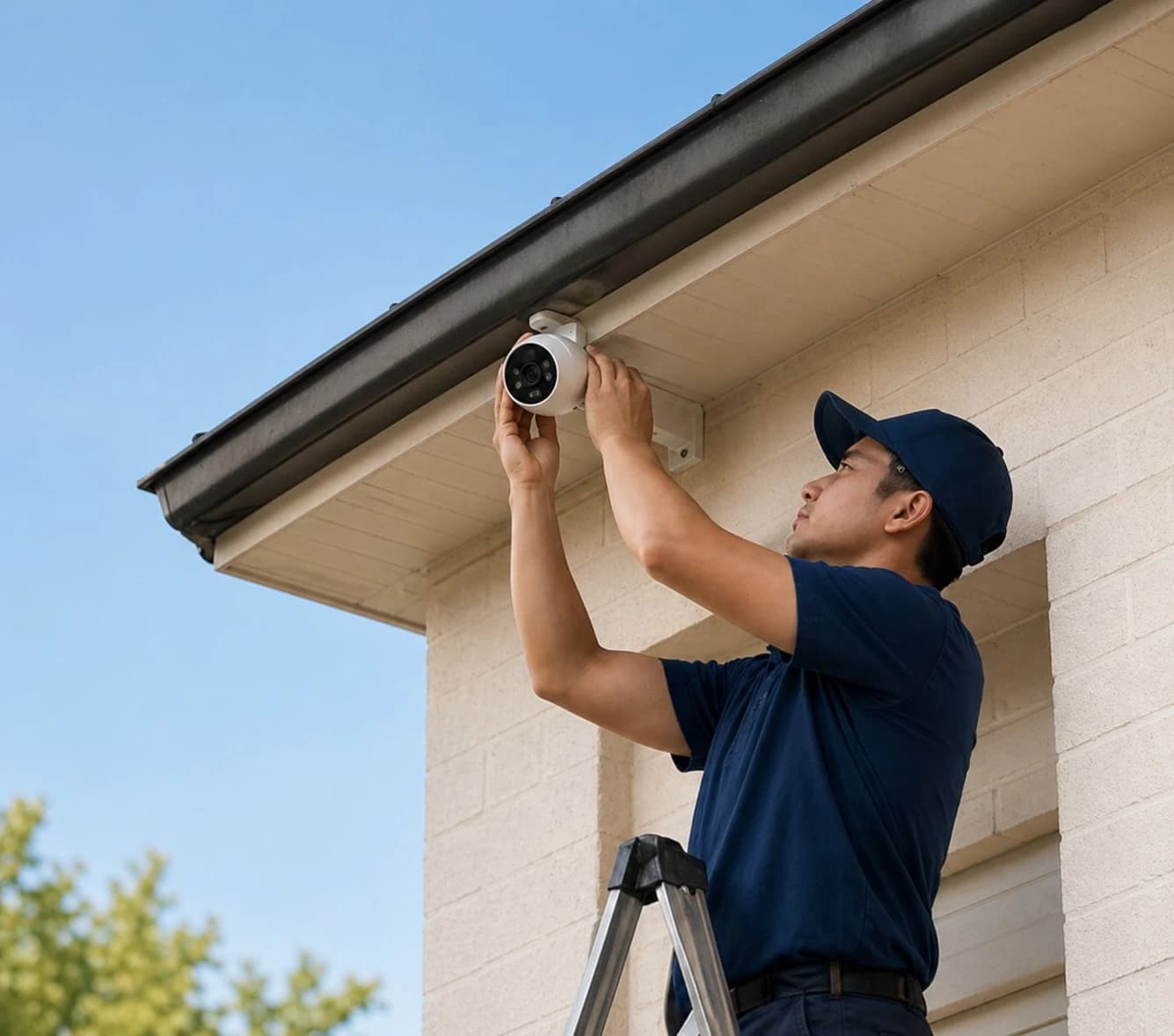
Rules depend on whether you rent or own, the plan of subdivision, the rental agreement, owners corporation rules, heritage status and the proposed work. Consumer Affairs Victoria states that renters can install certain removable, non-hardwired alarm systems or security cameras without permission when conditions are met, including that they do not affect neighbours’ privacy and can be easily removed. Drilling, hardwiring, replacing locks, modifying an apartment entry door or placing devices in common areas may require permission. Check the current rules for the exact work before installation.
Start with the apartment entry door
Confirm the door closes and latches every time. Report damage, excessive gaps, loose hardware or a closer that does not work. A renter-friendly contact sensor can notify the resident if the door is opened or left ajar without changing the building lock. A removable chime or local alarm can add awareness. Do not obstruct a fire-rated door, modify its closer, drill into it or add hardware that could affect required fire or egress performance without written approval and appropriate professional advice.
Use cameras cautiously
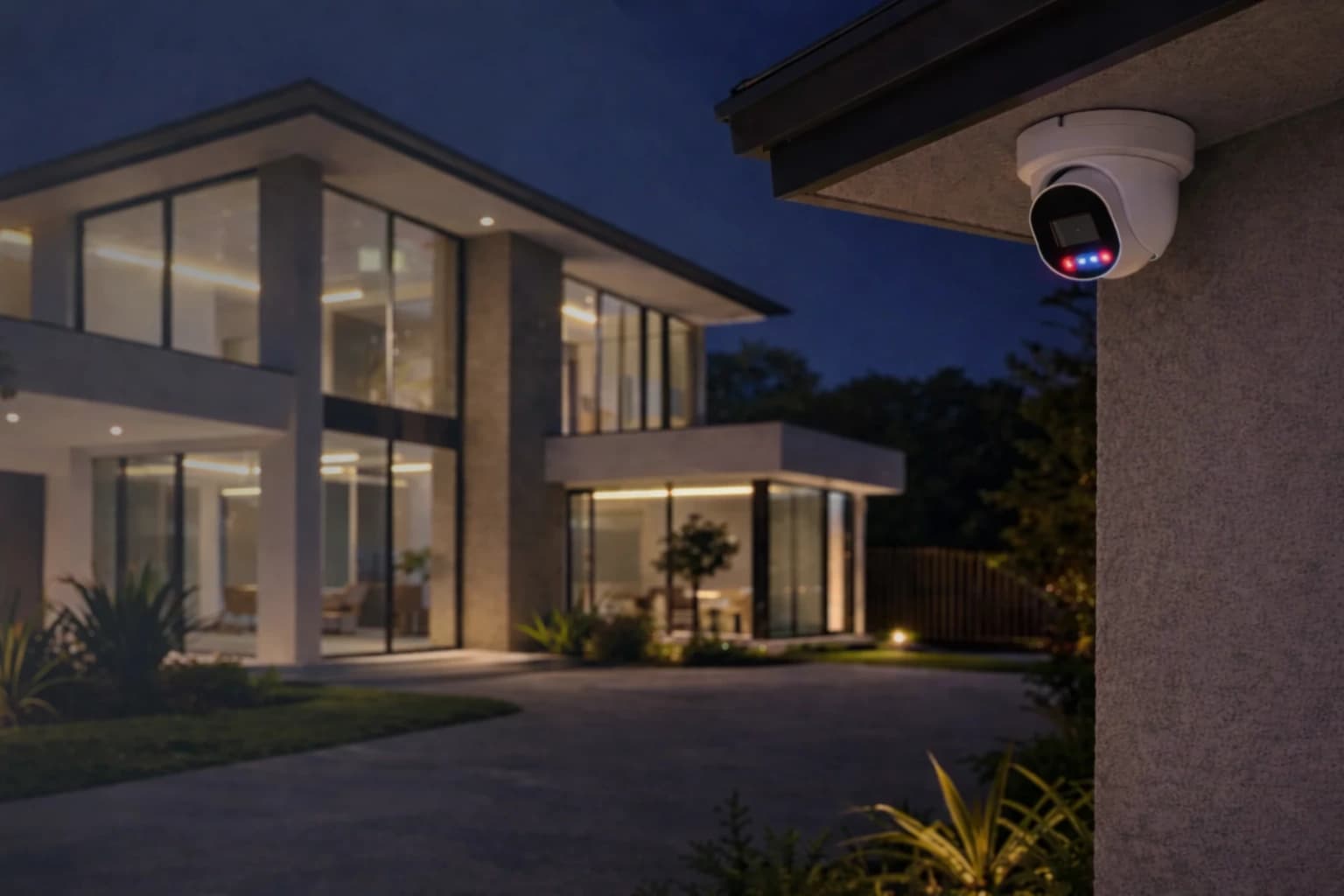
An apartment camera or video doorbell can easily capture a neighbour’s door, corridor activity or common property. First ask whether a camera is necessary and whether a peephole, door sensor or improved intercom notification would meet the need with less privacy impact. If a camera is used, minimise the field of view, avoid recording inside another residence, restrict access and retention, secure the account and do not share footage casually. Devices mounted outside the lot or on a shared corridor may require owners corporation approval.
Add a removable alarm inside the apartment
A wireless hub with contact and suitable motion sensors can provide local siren and phone alerts without connecting to the building alarm. Place sensors based on the likely path through the apartment and normal household activity. Check radio range, pets, internet dependence, battery reporting and how to arm the system without causing repeated false alarms. Smoke alarms and building fire systems are separate life-safety systems and must never be obstructed, replaced or integrated casually.
Secure balconies, storage cages and car parks
Apartment risk is not limited to the front door. Keep balcony doors and accessible windows locked, and do not leave climbable items near lower-level balconies. Storage cages provide visibility and may not be suitable for high-value items; use robust internal storage and record serial numbers. In shared garages, do not allow unknown vehicles or pedestrians to follow you through the gate. Lock the vehicle and remove remotes, keys and valuables from view. Report gate, lighting and camera faults promptly.
Protect digital access as carefully as physical keys
Building apps, smart intercoms, cameras and alarm accounts can reveal entry history and daily routines. Use individual accounts, unique passwords and multi-factor authentication where supported. Remove former residents and reset devices when a tenancy changes. Confirm who owns the administrator account and what happens to cloud recordings when moving out. Do not share a building access credential through screenshots or unapproved apps.
Work with the owners corporation on shared issues
Owners corporations can make rules about safety, security, common property and works affecting lots. When proposing an improvement, describe the problem, exact device, installation position, power and network requirements, field of view, appearance, maintenance responsibility and removal plan. A clear proposal is easier to assess than a general request for “a camera”. For building-wide issues, coordinate one consistent solution rather than creating incompatible private systems in common areas.
A practical upgrade sequence
First, report faults in shared doors, gates, lighting and intercoms. Second, check rental and owners corporation rules. Third, correct problems with the private entrance through the authorised process. Fourth, add reversible door alerts or an internal alarm if useful. Fifth, consider video only when its purpose and privacy boundaries are clear. Finally, document accounts, batteries, contacts and removal arrangements. Review the setup whenever residents, agents or building systems change.
Conclusion
Apartment security improves when residents strengthen what they legitimately control and escalate shared-building faults through the correct channel. Austrend can help assess a private apartment entrance, recommend suitable removable devices and prepare a clear technical proposal when approval is required. Contact Austrend for apartment and rental-security advice in Melbourne.
Frequently asked questions
Can a Victorian renter install a security camera without permission?
Consumer Affairs Victoria allows some removable, non-hardwired cameras without permission when stated conditions are met, including neighbour privacy and easy removal. Check the current guidance and the exact installation.
Can I place a camera in the common hallway?
Do not assume so. Common-property installation and recording may require owners corporation approval and privacy consideration.
Can I change the apartment front-door lock?
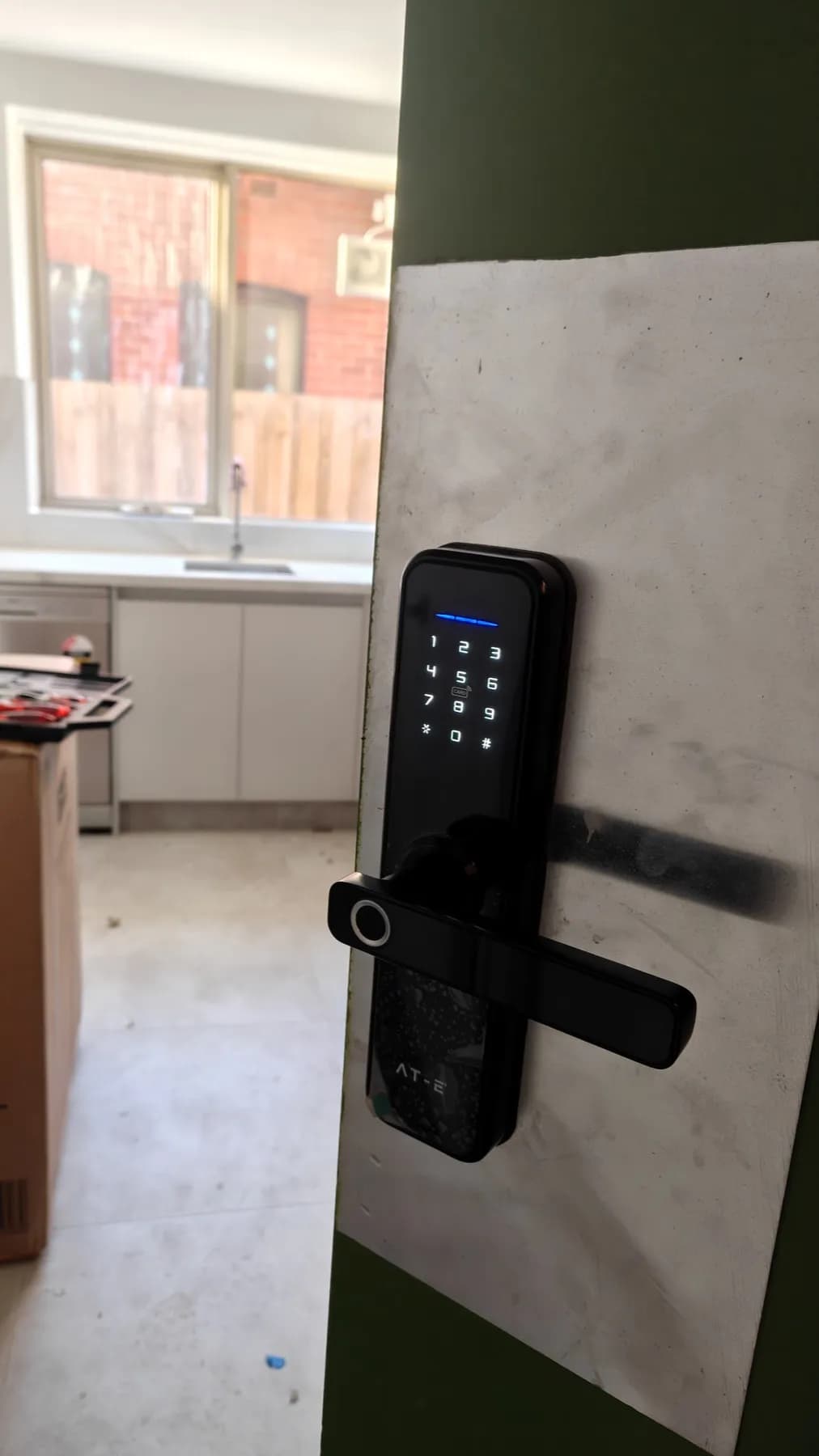
Permission and key-access obligations may apply, and the door may be fire-rated. Check before changing hardware.
Is a wireless alarm connected to the building fire alarm?
Usually not. Treat fire and life-safety systems separately and never interfere with them.
What should I do when the shared garage gate is broken?
Report it promptly to the building manager or owners corporation and ask how the fault will be secured until repaired.
Tags
- Apartment & Rental Security
- Apartment Security Upgrades