
Wired vs Wireless Security Cameras
Which Security Camera System Is Best for Australian Homes?
Key takeaways
- Wired wins on reliability, video quality, maintenance and privacy.
- Wireless wins on installation speed and upfront cost.
- "Wireless" rarely means wire-free — most models still need mains power.
- Apartments and rentals suit wireless; owner-occupied houses and new builds suit wired.
If you're planning to install a security system, one of the first questions you'll face is whether to choose wired or wireless cameras. It's one of the most searched questions by Australian homeowners — and for good reason.
Wireless cameras are heavily advertised because they're easy to install, while wired systems are usually recommended by professional installers for long-term reliability. So which is actually better? The answer depends on your home, your expectations, and how you plan to use the system.
Understanding the Difference
Although the names sound simple, many people misunderstand what "wireless" actually means. It refers to how video data travels — not whether the camera needs a cable at all.
Wired Security Cameras
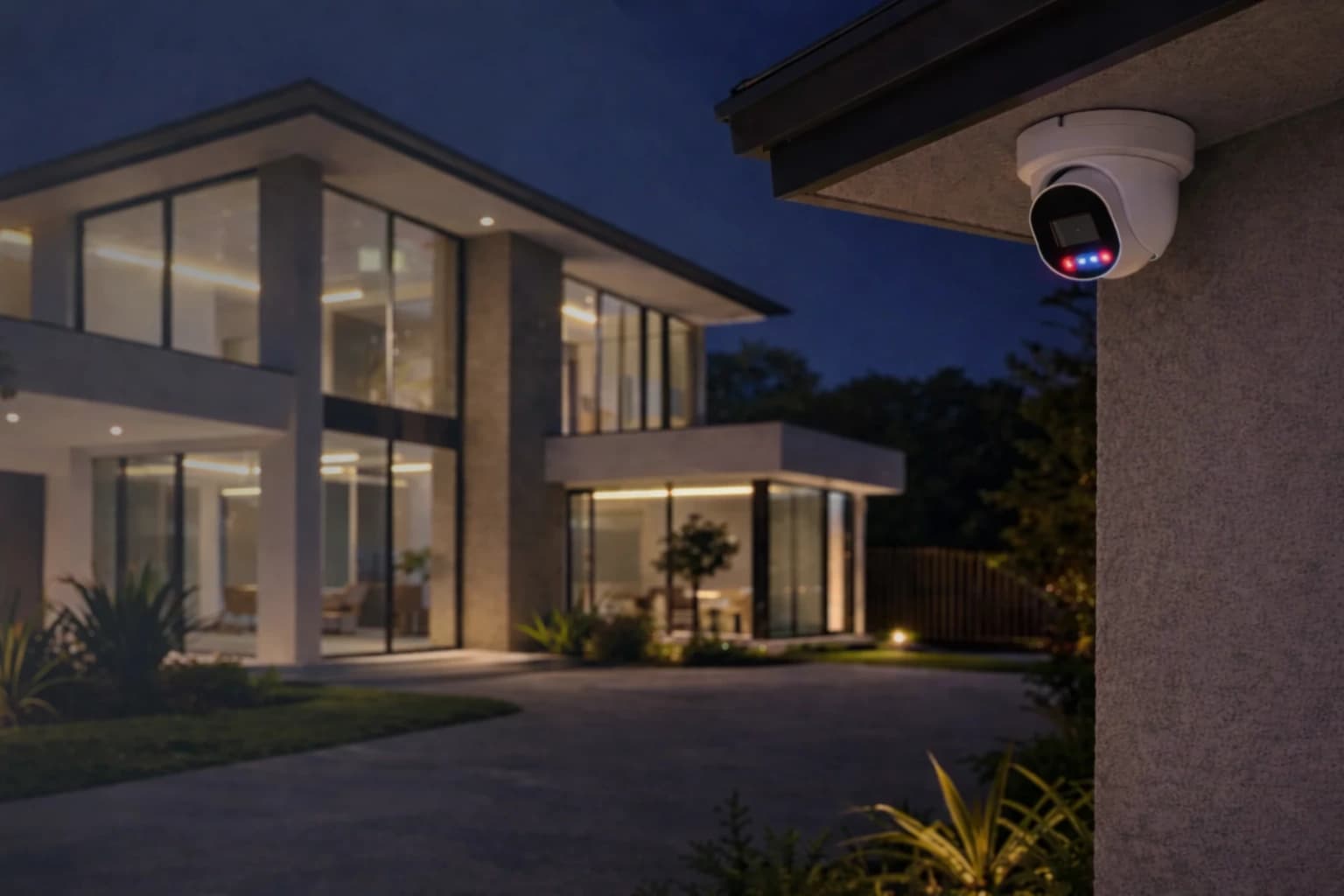
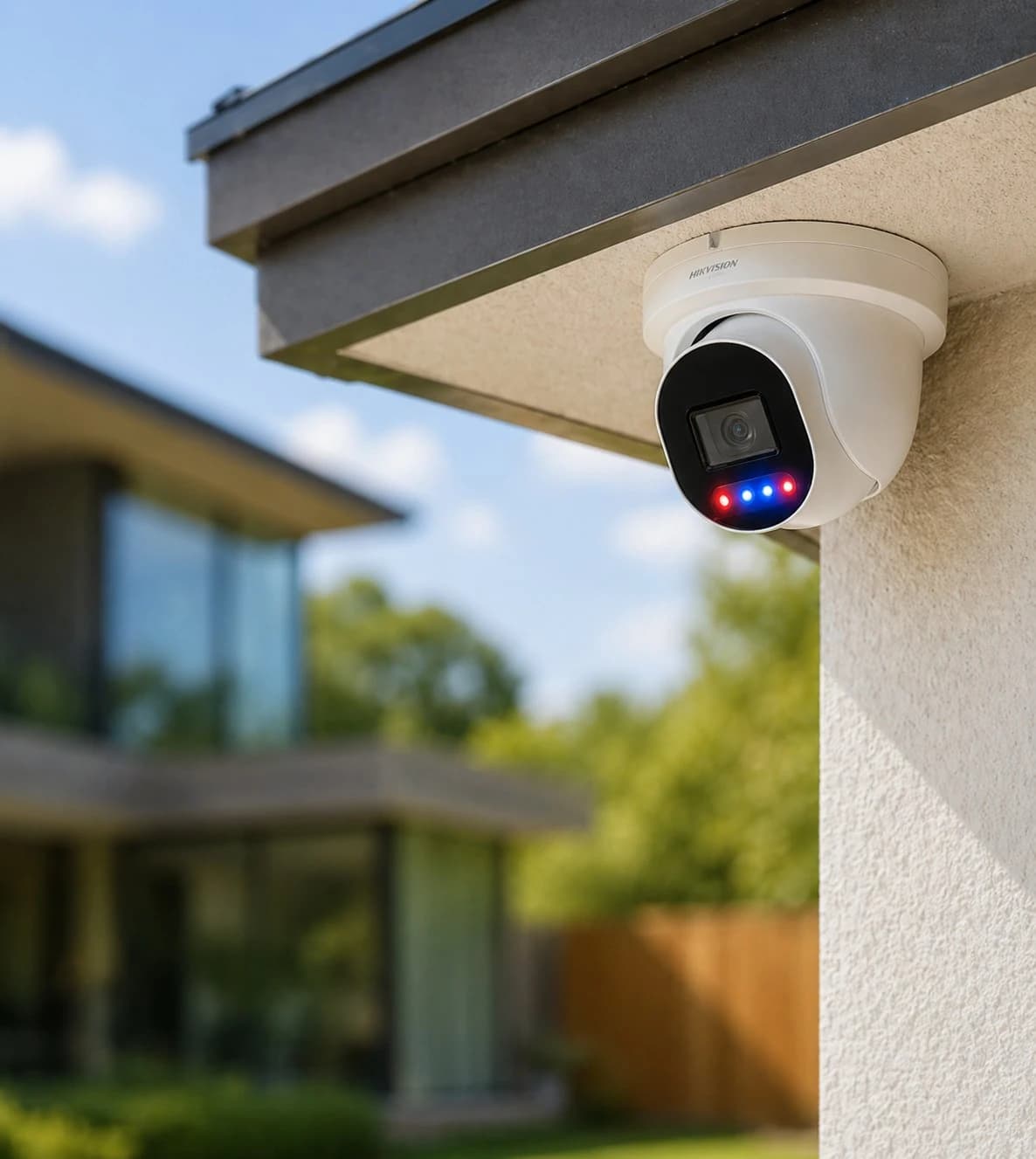
A wired camera receives continuous power through cabling (usually PoE) and transmits video back to a Network Video Recorder. This gives continuous recording, a stable connection, no batteries, higher reliability and better image quality. It's the standard for family homes, businesses, schools, warehouses and commercial buildings.
Wireless Security Cameras
Wireless cameras connect to your home Wi-Fi. Depending on the model they may run on batteries or still require a nearby power outlet. Most record when motion is detected, store footage in the cloud, send instant notifications, and are designed for DIY installation.
1. Reliability — wired wins
A wired camera connects directly to the recorder and doesn't depend on Wi-Fi strength. That means no signal dropouts, no battery charging, no missed recordings, and stable performance year after year.
Wireless cameras rely on Wi-Fi signal strength, internet quality and battery condition. If your Wi-Fi becomes unstable, recordings may stop or become unreliable — often without you noticing until you need the footage.
2. Video Quality — wired wins
Both types are now available in 2K and 4K. However, wired systems maintain that quality more consistently because they aren't compressing footage to conserve Wi-Fi bandwidth. They also support higher frame rates, better night vision, continuous recording and larger storage capacity.
3. Installation — wireless wins
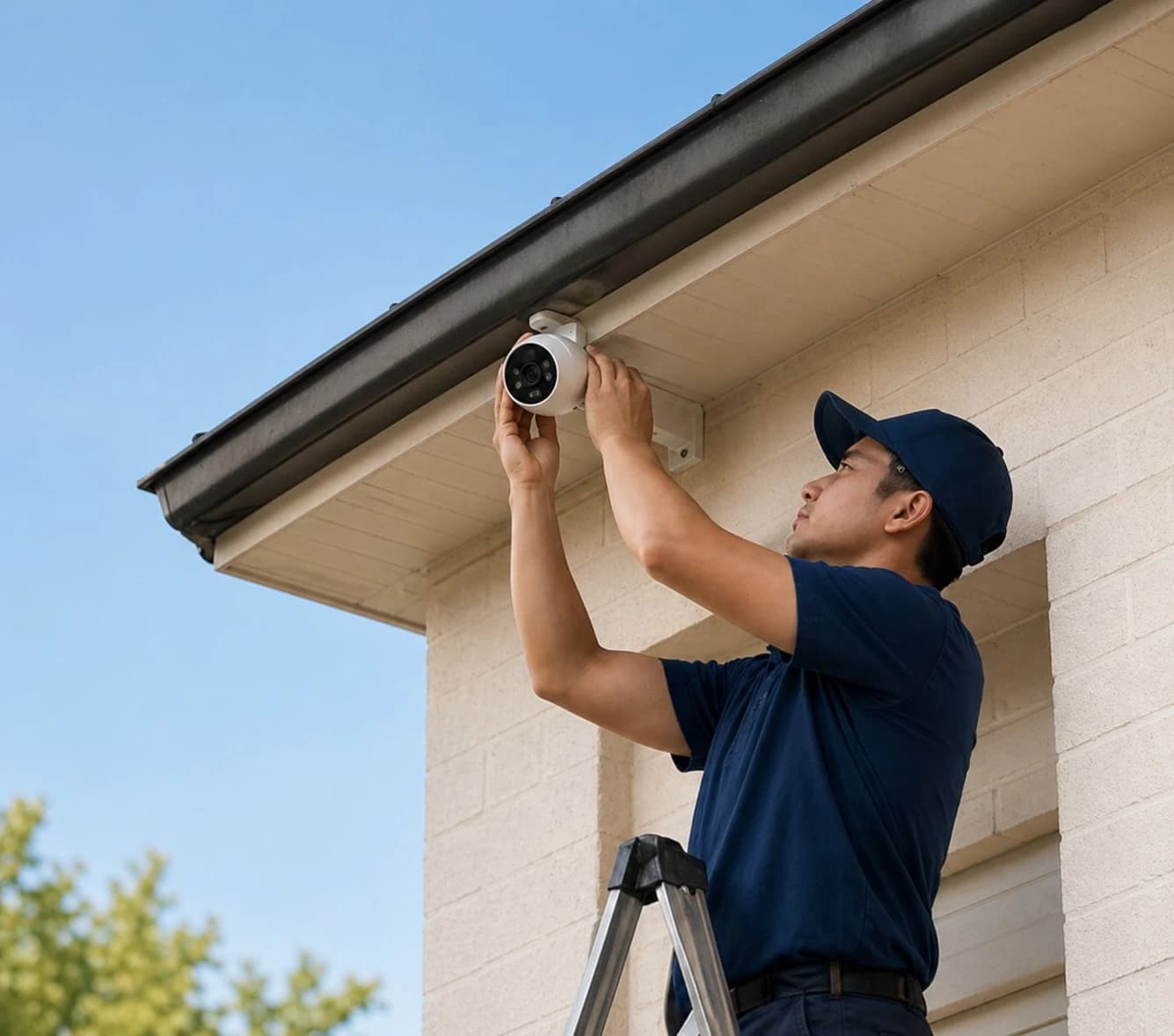
Wireless cameras are clearly easier to install; most homeowners can set one up within an hour. A wired system requires cable routing, NVR installation, network configuration and careful camera positioning. Professional installation takes longer but results in a cleaner, more reliable system.
4. Ongoing Maintenance — wired wins
Many people forget that wireless cameras require maintenance. Batteries may need charging every few months, cloud subscriptions become an ongoing expense, and changing your Wi-Fi password means reconfiguring every device. Wired systems require almost no maintenance once installed — no batteries, no charging, and no monthly cloud fees when using local storage.
5. Security & Privacy — wired wins
One major advantage of professionally installed wired systems is local storage. Your footage stays inside your own recorder rather than on a third-party cloud platform. That means better privacy, faster playback, no subscription, and greater control over your data — an increasingly important consideration for homeowners concerned about cybersecurity.
6. Upfront Cost — wireless wins
Wireless cameras cost less to buy and require no installation labour. Over a longer horizon, though, cloud subscriptions and battery replacement narrow the gap considerably.
Which System Is Best for Your Property?
- Apartments — wireless. Drilling may not be permitted, installation is simple, and only a few cameras are needed.
- Rental properties — wireless. You can remove the system and take it with you when you move.
- Owner-occupied houses — wired. Better reliability, continuous recording, longer lifespan and greater scalability.
- New builds — wired. Building or renovating is the ideal time to install cabling while it's still accessible.
Our Recommendation
At Austrend we install both. For most Melbourne homeowners, however, we recommend professionally installed wired security cameras — for better reliability, superior image quality, continuous recording, local storage, no batteries and no mandatory subscription fees.
That's why our Security Camera Starter Packages are built around professional wired CCTV: they deliver the best long-term value. Once you've settled on a system type, How Many Security Cameras Does a Home Need? will help you work out the right quantity.
Final Thoughts
Both wired and wireless cameras have their place. Wireless offers convenience and easy installation, making it suitable for apartments or temporary setups. Wired systems remain the gold standard for long-term home security.
At Austrend Home we help homeowners choose based on their property, lifestyle and budget — not simply the most expensive option. Contact us today for a free consultation and a personalised recommendation.
Frequently asked questions
Are wired cameras better than wireless?
For permanent residential security, yes. Wired systems provide greater reliability, continuous 24/7 recording and lower long-term maintenance. Wireless is better suited to apartments, rentals and temporary installations.
Do wireless cameras still need power?
Usually. Some models run on batteries, while others require a nearby power outlet. Very few are completely wire-free — "wireless" refers to the video connection, not the power supply.
Which is better for Australian homes?
For owner-occupied houses, wired systems are generally the preferred choice. Wireless cameras are often better suited to apartments, rentals or temporary installations.
Do wired cameras still work if the internet goes down?
Yes. A wired system keeps recording to its local NVR even without internet. You lose remote phone viewing until the connection returns, but no footage is missed.
Can I upgrade later?
Absolutely. Many homeowners start with four cameras and expand their systems over time, adding cameras, smart locks or sensors as needs change.
Tags
- Security Cameras
- Wired CCTV
- Wireless Cameras
- Home Security
- Melbourne