
How to Secure Side Gates, Garages and Other Secondary Entry Points
Learn how to protect side gates, garages, back doors and other overlooked entry points with better locks, lighting, sensors and smart security.
Most households pay close attention to the front door, yet everyday access often happens through a garage, side gate, laundry door or rear entrance. These secondary entry points can sit outside the main line of sight and may rely on an old latch, a weak door or no useful alert at all. A stronger home-security plan treats the whole path into the property as one system: boundary, gate, external area, building opening and the internal door into the home.
Why secondary entry points are easily overlooked
The front entrance is usually visible, well lit and fitted with the newest lock. By contrast, side passages may be screened by fences or vegetation; garages may contain tools, remotes and a direct door into the house; and rear doors may be opened frequently but checked less carefully. The solution is not to cover every surface with equipment. It is to identify how someone could move from the street to a concealed area, then improve the weakest points along that route.
1. Start at the boundary
A side gate should close cleanly, resist being lifted from its hinges and use a latch or lock that can be operated safely by the household. Keep bins, ladders and outdoor furniture away from fences where they could make climbing easier. Trim dense planting that creates a hiding place while preserving normal privacy. Make the house number visible from the street so visitors and emergency services can identify the property. Victoria Police recommends locking gates, sheds, garages and other access points, not only the main doors.
2. Use lighting to support visibility
Sensor lighting is most useful when it illuminates the approach, gate and door without dazzling neighbours or washing out a camera image. Mount it high enough to reduce tampering but where the detection zone matches the actual path. Avoid leaving deep shadow immediately beside the gate. Lighting is not a substitute for a lock or alarm; it supports safer movement, clearer identification and the impression that the area is actively managed.
3. Treat the garage as an entrance to the home
Secure both the vehicle door and the internal door from the garage into the house. Do not rely on the garage motor as the only barrier. Check the emergency release, external handle, side door and windows, and never leave garage remotes or keys visible in a vehicle outside. The internal connecting door should close and latch properly and use hardware appropriate to the door. Add a contact sensor if the household would benefit from a “left open” warning or an after-hours alert. Tools, bicycles and keys inside the garage should also be secured rather than assumed safe.
4. Strengthen rear and laundry doors
Inspect the door leaf, frame, hinges, latch and strike plate as one assembly. A premium lock cannot compensate for a damaged frame or a door that does not close correctly. Glazed doors may need an appropriate privacy and security assessment, while sliding doors should have a reliable primary lock and a compatible secondary restraint. Avoid creating an emergency-exit problem: occupants must still be able to leave safely, and any required fire or egress function must be preserved.
5. Add sensors where an alert changes the response
A contact sensor on a gate, garage door or rear door is useful when it leads to a clear action. Examples include reminding the household that the garage is still open, turning on a side light when the gate opens after dark, or sending an alert when an external door opens during a selected night period. Avoid constant notifications for ordinary daytime use. Give devices plain names and test what happens when Wi-Fi or power is unavailable.
6. Position cameras around events, not empty space
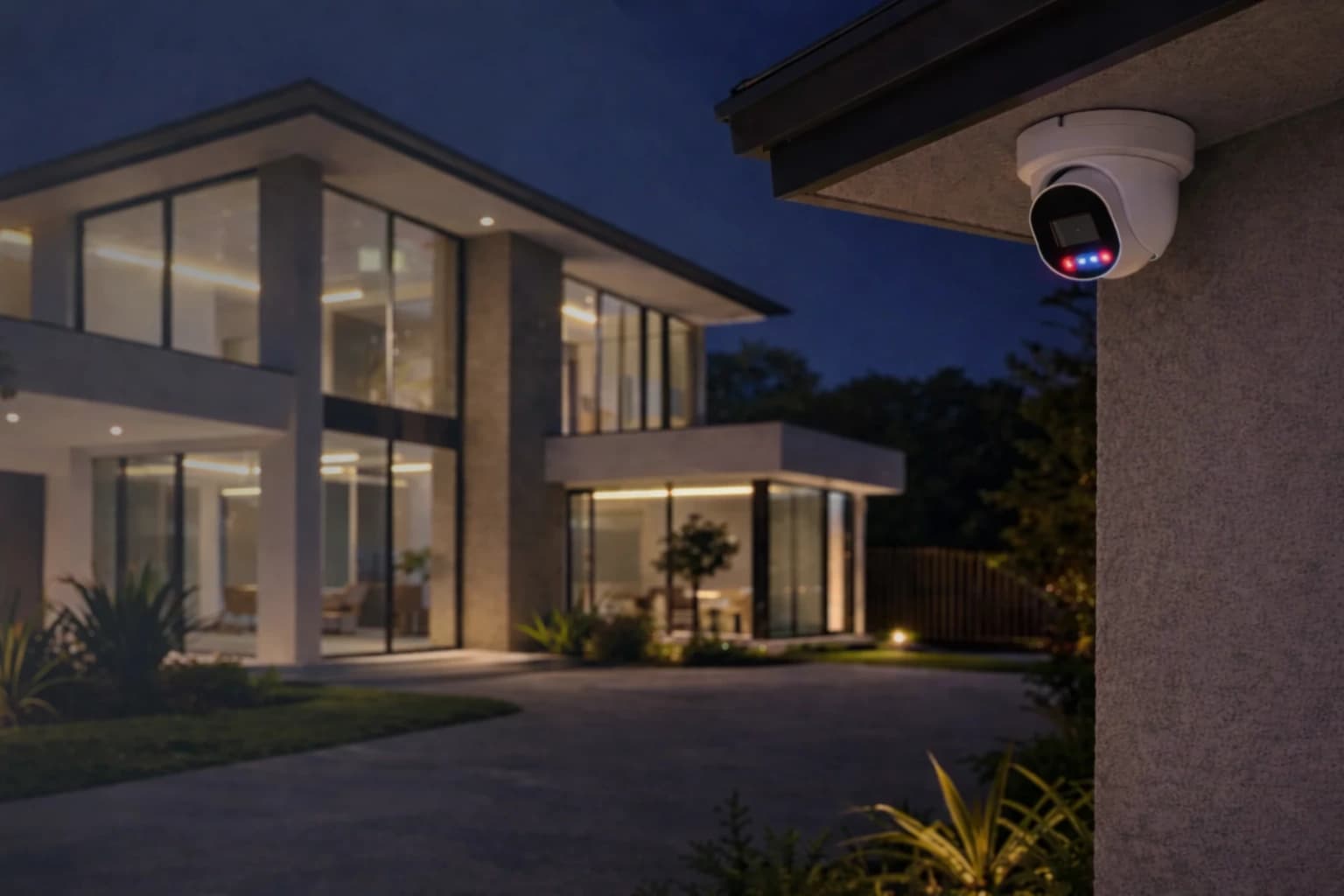
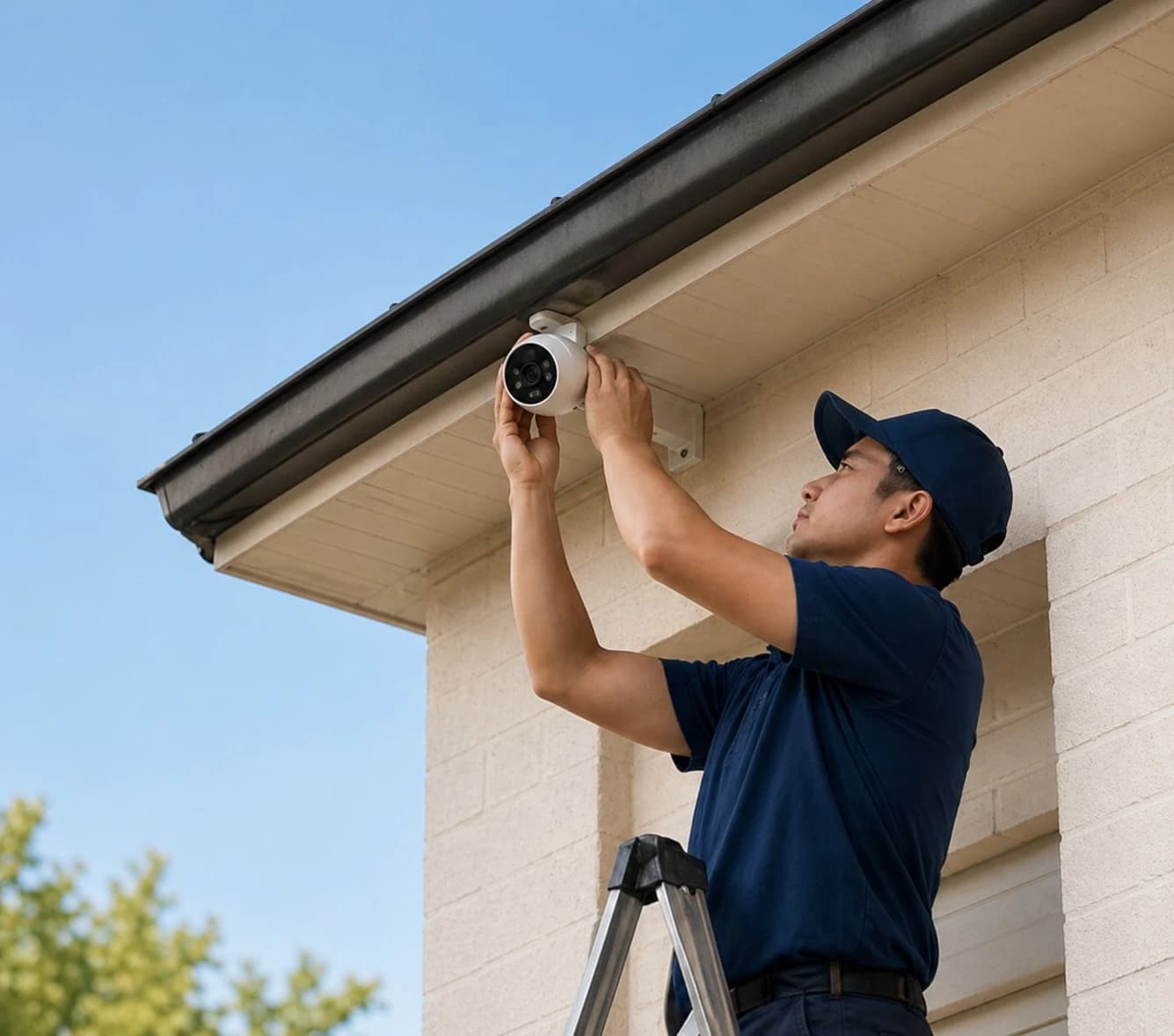
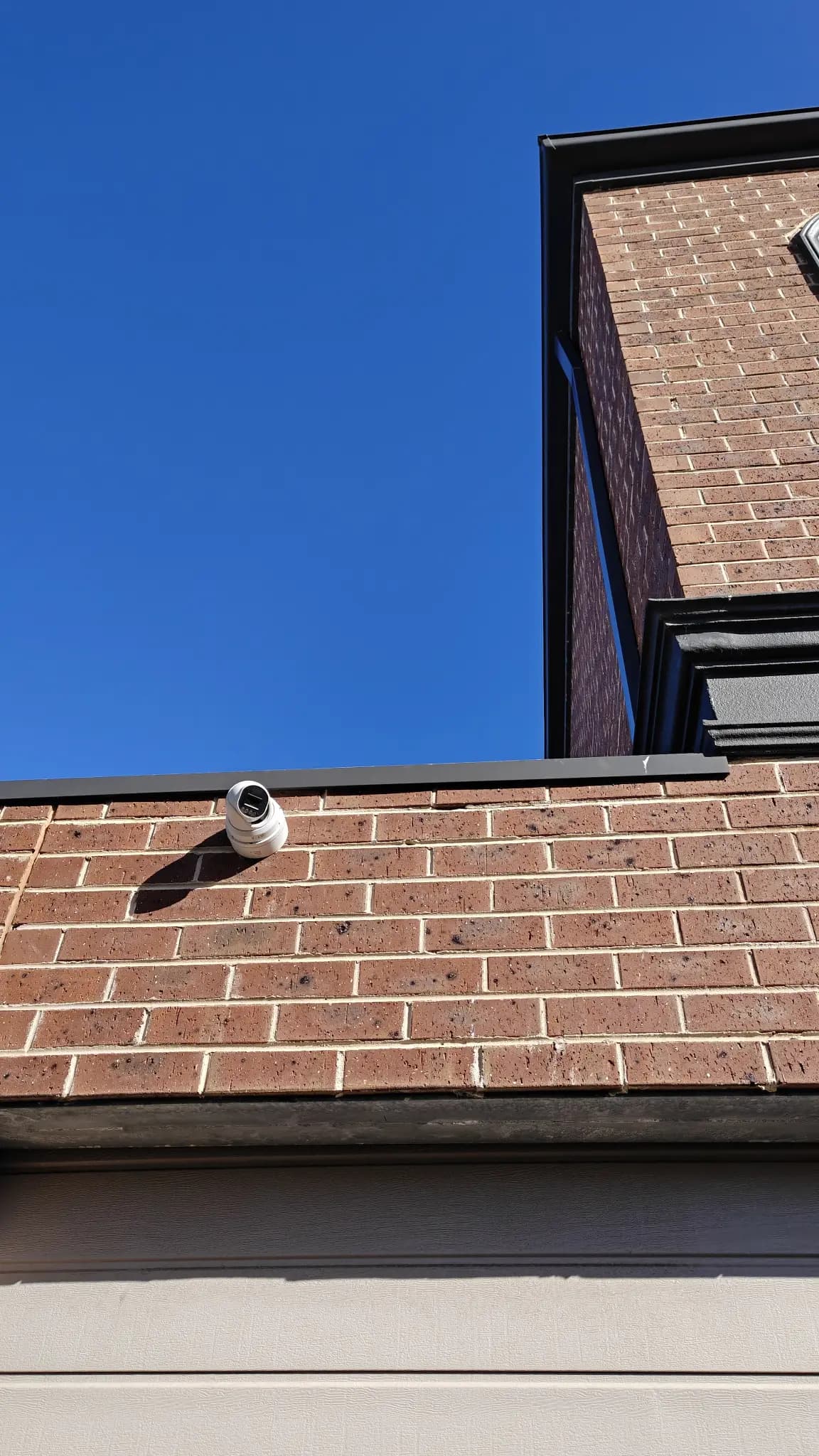
A camera should capture a meaningful event such as a person approaching a gate, passing through a side path or reaching the garage door. It needs a stable mounting point, suitable night image quality and enough detail at the distance that matters. Keep views focused on your property and avoid unnecessary coverage of neighbouring areas. Victoria Police advises covering entry and exit points, securing cameras to the building, understanding network settings and providing adequate, protected storage.
7. Connect the layers without making the system complicated
The most effective setup may be simple: the gate physically slows access, a light improves visibility, a camera records the approach, a sensor identifies opening, and the house door provides the final secure barrier. One well-configured app or hub is easier to manage than unrelated devices with separate accounts. Use unique passwords, enable multi-factor authentication where available, update devices and remove accounts that no longer need access.
A practical inspection checklist
Walk the property in daylight and after dark. Check: Can the side gate be lifted or reached from outside? Does it latch every time? Are bins or ladders creating a climbing aid? Is the garage-to-house door actually locked? Do rear doors and windows close without force? Are tools and spare keys visible? Does lighting reveal faces without glare? Can cameras identify a person at the important point? Will a sensor alert reach the right person, and do they know what to do? Repeat the check after renovations, a change of tenants, storm damage or landscaping work.
Conclusion
Secondary entrances should not become secondary priorities. By improving gates, lighting, garage access, rear doors, sensors and camera coverage as one connected path, a household can reduce blind spots without creating an overcomplicated system. Austrend can assess the full property, identify the weakest access routes and design a practical home-security setup for Melbourne conditions. Contact Austrend to arrange a residential security assessment.
Frequently asked questions
Should every side gate have a smart lock?
No. Many gates need a robust mechanical solution first. Smart access is useful only when the gate, alignment, weather exposure and daily use support it.
Is a camera enough for a garage?
No. Combine recording with sound doors, locks, lighting and an alert or alarm suited to the risk.
Can a door sensor work outdoors?
Only use a product designed for the location and weather exposure, with suitable range to its hub.
Should the camera point along the side passage or at the gate?
The best angle depends on where identification is possible. A site assessment should test the real view by day and night.
What is the first improvement to make?
Repair doors, gates and locks that do not close reliably, then add detection and recording around a sound physical barrier.
Tags
- Home Security
- Perimeter & Secondary Entry Security