

Balwyn Smart Home Case Study
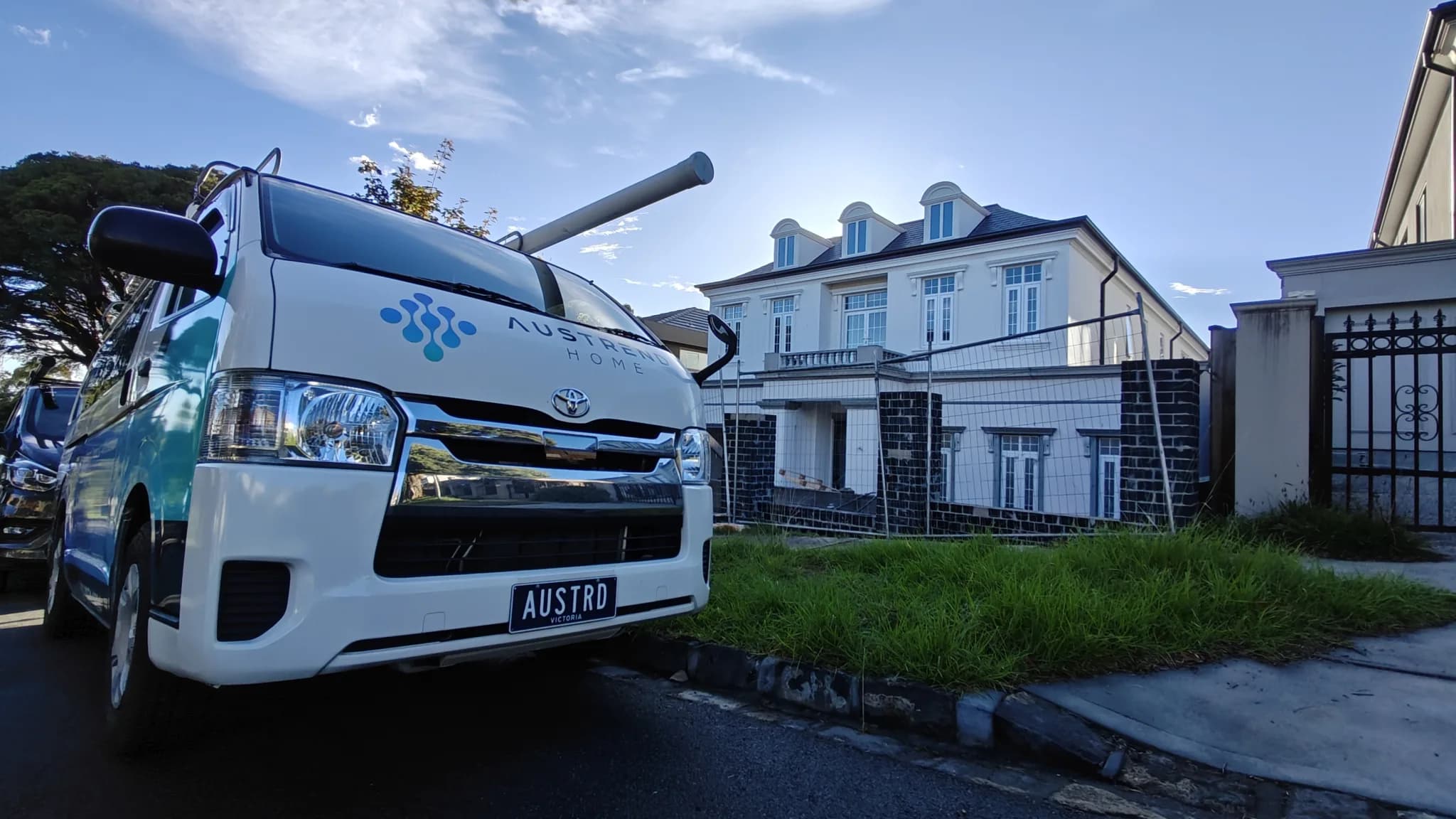
For this newly built residence in Balwyn, Austrend delivered an integrated smart home solution designed around two priorities: security and everyday simplicity.
The brief
How the project started
A large new home can quickly become complicated when different systems are controlled independently. The homeowners wanted the convenience of modern home technology, but without filling the house with multiple apps, remotes and visually intrusive devices. Security was also an important consideration. Access control, alarm functions and monitoring needed to work together in a way that remained straightforward for everyday family use. Our approach was therefore not simply to make individual devices smart, but to create a more coordinated home environment.
- Location
- Balwyn, VIC
- Project Type
- New Residential Home
- Solutions
- Smart Home Automation · Security · Smart Access · Lighting Control · Motorised Curtains · Home Network
Our approach
How we shaped the solution
Rather than introducing a collection of separate smart devices, the system was designed as part of the home from the beginning, bringing security, access, lighting, curtains and connectivity together into a more unified experience.
The result is a home where technology works quietly in the background — easy for the family to use, while remaining sympathetic to the property's elegant interior design.
Included systems
Systems we installed
Project Highlight 01 — One Touch Between Home and Away
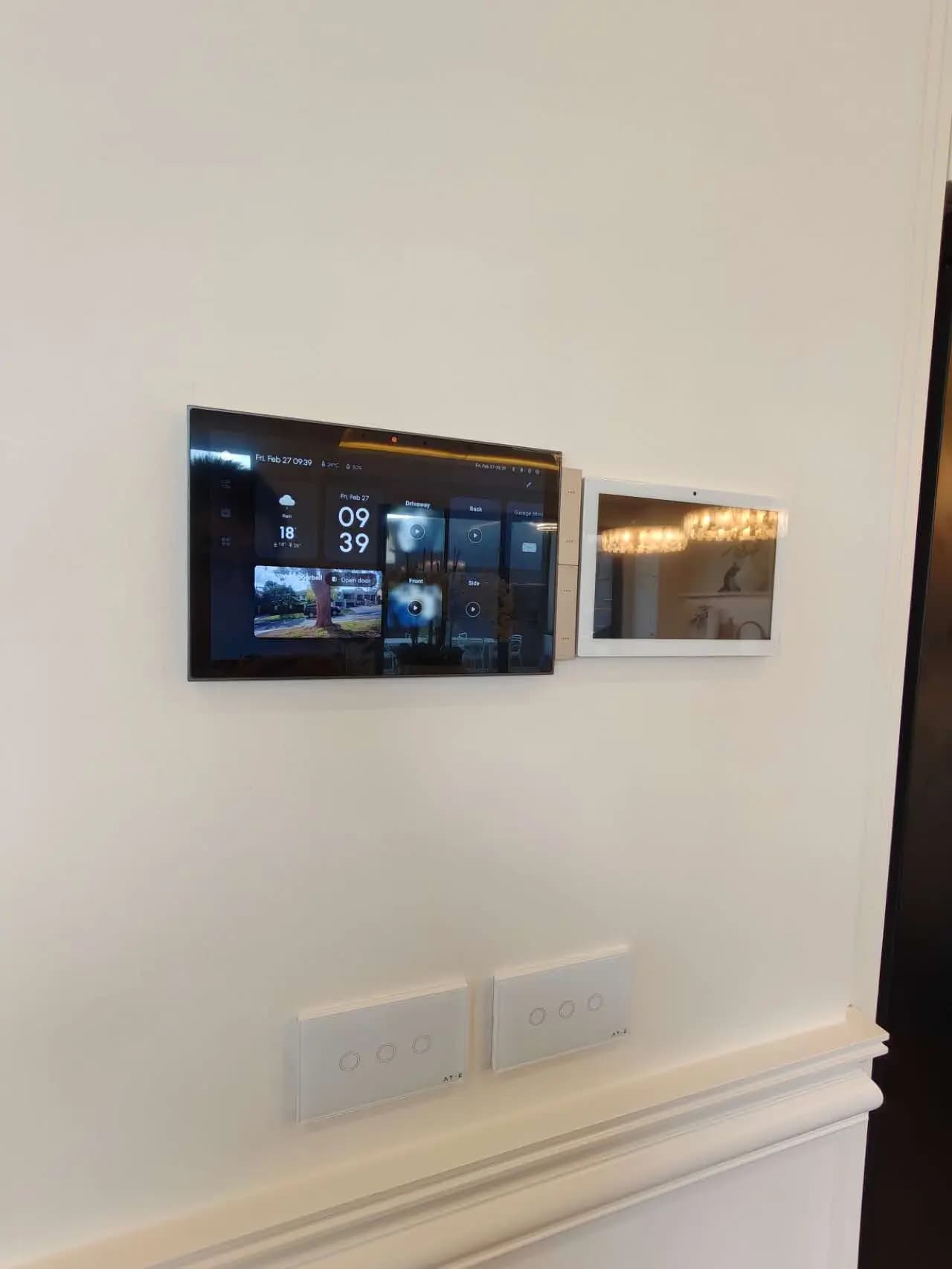
One of the key features of this project is the integration between home automation, security and access control. A dedicated wall-mounted control interface provides the family with simple Home, Away and Disarm functions, allowing important security actions to be managed from one location. At the entrance, smart door access adds another layer of convenience and security, replacing the traditional key-only experience with modern electronic access. Instead of thinking about individual devices every time the family leaves the house, the system is designed around a much simpler idea: Are we home, or are we away? This scene-based approach makes sophisticated home technology much easier to live with every day.
Project Highlight 02 — Technology Designed to Disappear
Smart homes do not need to look overly technical. This Balwyn residence features detailed wall panelling, decorative ceilings, feature lighting, custom cabinetry and a refined classical interior. The smart home installation therefore needed to complement the architecture rather than compete with it. Wall controls were kept clean and discreet, wireless infrastructure was positioned unobtrusively, and curtain automation was integrated into the window treatment rather than becoming a visible feature of the room. The technology is there when the homeowner needs it — and almost disappears when they don't. That balance between automation and interior design became one of the defining elements of the project.
Smart Security & Access
Security begins at the entrance. The residence incorporates smart door access together with an integrated home security system and internal sensors. From the wall-mounted security interface, the family can quickly understand the home's security status and switch between everyday operating modes without navigating through a complicated conventional alarm keypad. This creates a security system designed not only to protect the property, but also to be practical enough for the whole family to use.
Smart Lighting & Controls
Throughout the residence, smart wall controls provide convenient access to lighting and other connected functions while maintaining a clean visual appearance. For a home with multiple rooms and living areas, this approach reduces the need for banks of traditional switches and provides a foundation for more coordinated control. The lighting itself remains part of the architecture — from recessed lighting to decorative chandeliers and illuminated cabinetry — while the control technology stays discreetly in the background.
Motorised Curtain Integration
Automated curtain hardware was incorporated into the residence to make large window treatments easier to manage. Rather than treating curtains as an isolated motorised product, their control can form part of the broader smart home environment, creating a more natural relationship between lighting, privacy and the way different rooms are used throughout the day. The hardware is concealed above the curtain line, allowing the finished interior to retain a clean appearance.
Reliable Connectivity Behind the Smart Home
A smart home is only as useful as the infrastructure behind it. Wireless network equipment was positioned throughout the property to support reliable connectivity across the multi-level residence and provide the communications foundation required by connected devices and everyday household use. Much of this infrastructure is deliberately unobtrusive — but it is an essential part of creating a smart home that feels responsive and dependable.
The result
The completed Balwyn residence brings together security, access, lighting, curtains and connectivity within a home designed for everyday family living. Its most important feature is not any single device. It is the way the different technologies work together while remaining visually understated. The family gains simpler control when arriving home, leaving the property or managing everyday functions, while the home's architectural character remains the focus. Smart technology should make a home easier to live in — not more complicated. That principle guided the Austrend solution throughout this Balwyn project.
Project gallery
Inside the project
Related services
Services behind this project
Smart Home Packages
Integrated smart home planning for Melbourne homes, renovations, and new builds, including security, lighting, locks, and network systems. Serving Balwyn, Toorak, Camberwell, Kew, South Yarra, Brighton, Bentleigh, St Kilda, and Greater Melbourne.
Services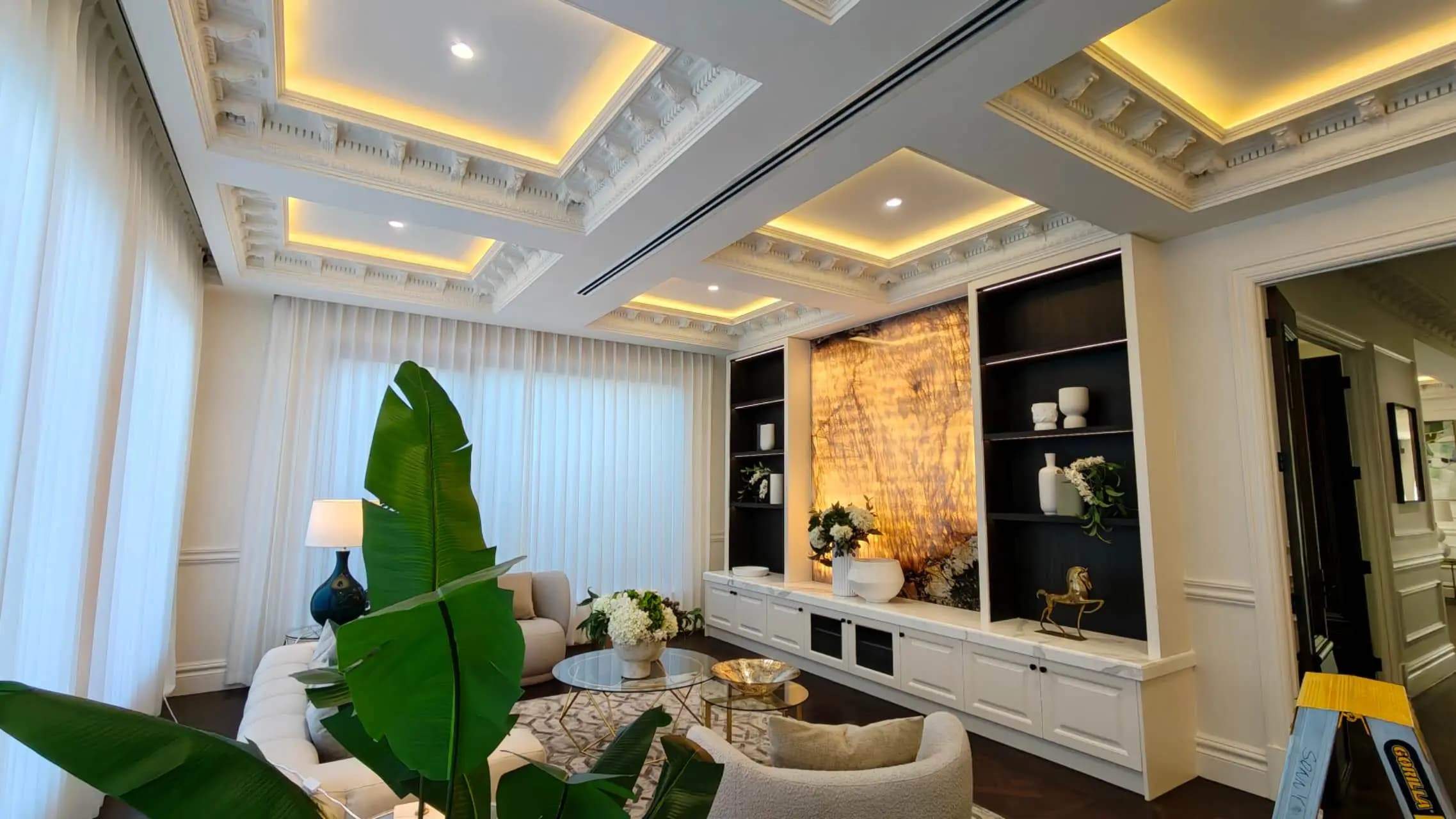
Smart Lighting
Smart lighting design and installation in Melbourne for homes, renovations, and premium smart-home projects. Serving Balwyn, Toorak, Camberwell, Kew, South Yarra, Brighton, Bentleigh, St Kilda, and Greater Melbourne.
ServicesProof in Practice
Planning something similar?
Tell us what you're building, upgrading, or protecting and we'll help shape the right smart-home or commercial solution.